Engine oil coats all the moving metal parts inside your engine so they slide instead of grind. Pistons, camshafts, bearings, all of it depends on a thin layer of oil to keep metal from touching metal. Oil also helps carry heat away from the engine and picks up tiny bits of debris as it circulates through the system. Over time, oil breaks down from heat and loses its ability to protect those parts. It also picks up dirt and metal particles that act like sandpaper if left too long, slowly wearing down the same parts it is supposed to protect. That is why oil needs to be changed on a regular schedule instead of just topped off whenever it looks low. Letting it go too long turns a cheap habit into an expensive repair, since worn out oil speeds up engine wear with every mile you drive.
Signs Your Car Needs an Oil Change
- Oil change reminder light or sticker is due
- Oil looks dark, gritty, or low on the dipstick
- Engine sounds louder or more ticky than usual
- It has been several months since the last change
- Oil change light or message on the dash
- Noticeable burning oil smell
Before we start any oil change in Tulsa, we check the oil level and condition on the dipstick to see how dark or thin it has gotten. We also look underneath the car for any existing leaks, since oil on the ground or around the pan can point to a bigger issue than just old oil. We ask when the last change was done and what kind of oil the car takes, because different engines call for different weights and types. This short inspection helps us catch anything else going on, like a leak that is draining oil faster than normal, before it turns into a bigger problem down the road. A few minutes of checking upfront can save a lot of guesswork later, and it gives us a clearer picture of how the engine has been treated.
The job itself involves draining the old oil completely so none of the worn out, dirty oil gets left behind to mix with the fresh fill. We replace the oil filter, since a clogged or old filter can restrict flow and let debris circulate instead of catching it. Then we refill with fresh oil to the right level and type for your engine, matching what the manufacturer calls for. We check the drain plug and filter seal for a clean fit so there is nothing left to leak once we are done, since a sloppy seal can undo the whole job in a few days. We also do a quick look at other fluids and belts while we are under the hood. It is an easy time to catch something small, like a cracked belt or low coolant, before it grows into its own separate repair.
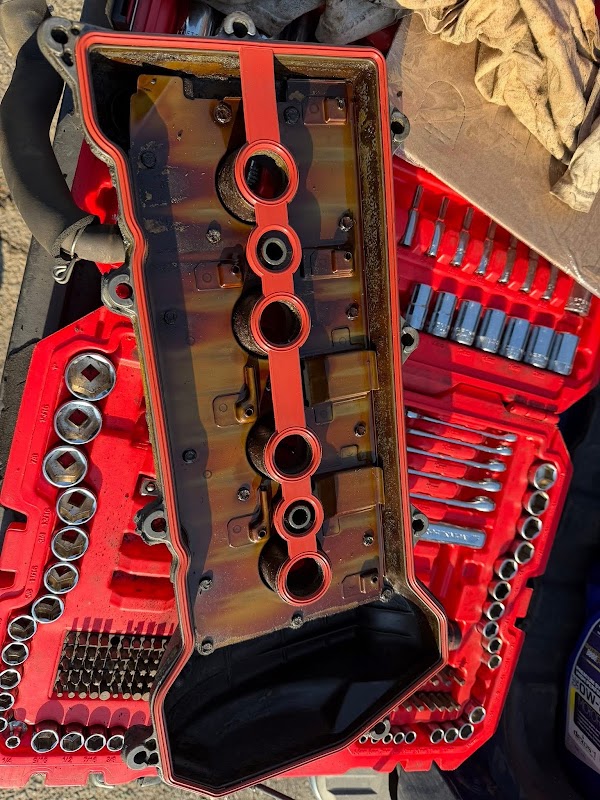
A standard oil change is a pretty consistent job from car to car, but a few things can add to it. If the drain plug or filter housing is stripped or stuck from a previous service, that takes extra time and care to deal with, since forcing a damaged plug can make the problem worse. Some vehicles use oil filters tucked into harder to reach spots, behind shields or other components, which can add a bit of time to an otherwise simple job. If we find a leak during the inspection, that is a separate conversation about what is causing it, since a leak points to a different repair than a routine oil change. We would rather flag it early and talk it through than ignore it and let it turn into a bigger failure later.
Oil does not just lubricate, it also acts as a coolant for parts that do not get direct airflow. As it flows through the engine, it absorbs heat from friction points and carries it back to the pan or cooler where it can dissipate. When oil breaks down, it loses some of this heat carrying ability, which means parts of the engine can run hotter than they should. Combine that with the sandpaper effect of dirt and metal particles building up, and you get a slow, steady wear pattern on cylinder walls, bearings, and other moving parts. This is part of why sticking to a regular schedule matters more than waiting until the oil looks obviously bad, since damage from heat and grit happens gradually and quietly long before it shows up as a noise or a warning light.
Until your oil gets changed, keep an eye on the dipstick level and try not to let it run low, since low oil means less protection circulating through the engine with every rotation. If you hear new ticking or knocking noises from the engine, that is worth addressing sooner rather than later, since it can mean the oil is no longer doing its job of keeping metal parts separated. These noises usually get worse, not better, if the oil issue is ignored. Try to avoid long hard drives if you know the oil is overdue and the level is low, since extended high heat and strain are exactly when worn out oil struggles the most to protect the engine. A short easy drive to get it checked is a much better bet than pushing through a long trip on bad oil.
We handle oil changes as part of our mobile mechanic work across Tulsa and nearby towns like Sapulpa, Jenks, Glenpool, Sand Springs, Kiefer, Kellyville, and Lotsee. Coming to the vehicle means we can take the same careful look at the dipstick, the drain plug, and the area underneath the car wherever it is parked, without changing how the job gets done. Whether it is a car that sits in a driveway most of the week or one that gets driven hard every day, the same basic checks apply, oil level, oil condition, and a look for leaks before anything gets drained. If something unexpected turns up during that check, like a stripped plug or a leak, we talk it through before moving forward. The goal is a clean, complete oil change with nothing overlooked under the hood, so the engine keeps running the way it is supposed to between visits.
What to Tell Us When You Call
- Year, make, and model of the vehicle
- When the last oil change was done, if you know
- What type of oil your car uses, if you know
- Your address or location in the Tulsa area for the visit