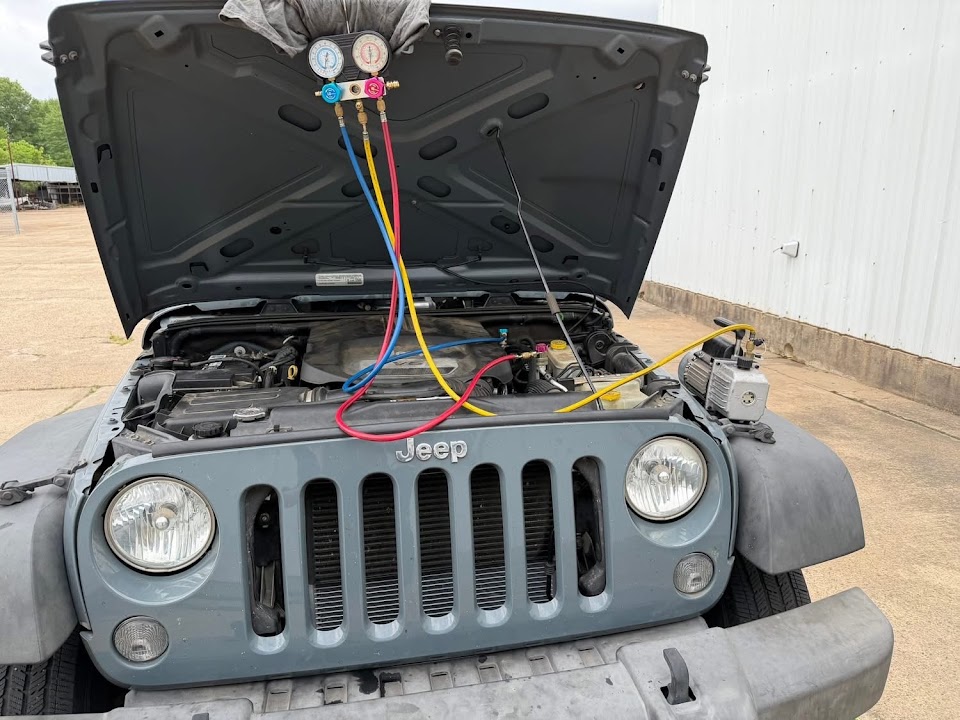
Most calls we get from Tulsa drivers start the same way. The car clicks but won't crank. The AC quit blowing cold in the middle of summer, right when you need it most. There's a grinding noise on the way home or the steering feels loose and wandery at higher speeds. We also hear from people whose dash lights came on out of nowhere and nobody's told them why yet. On top of that, we get a steady stream of oil change calls from folks who just don't want to sit around a waiting room on a Saturday. Whatever it is, tell us what you're hearing, seeing, or smelling. That description, even a rough one, helps us get a feel for what we're walking into before we ever pull up.
Once we're there, we handle brake service, engine diagnostics, oil changes, suspension and steering issues, heating and AC problems, and electrical gremlins. If your dash lights are on and nobody can explain it, that's an engine diagnostics call, and it usually starts with pulling codes to narrow down what the car's actually complaining about. If your brakes are squealing, grinding, or pulsing in the pedal, we can look at pads, rotors, calipers, and the rest of the system right there in your driveway. A soft or sinking brake pedal can point to something in the lines or the master cylinder, which is worth catching early rather than waiting on it.
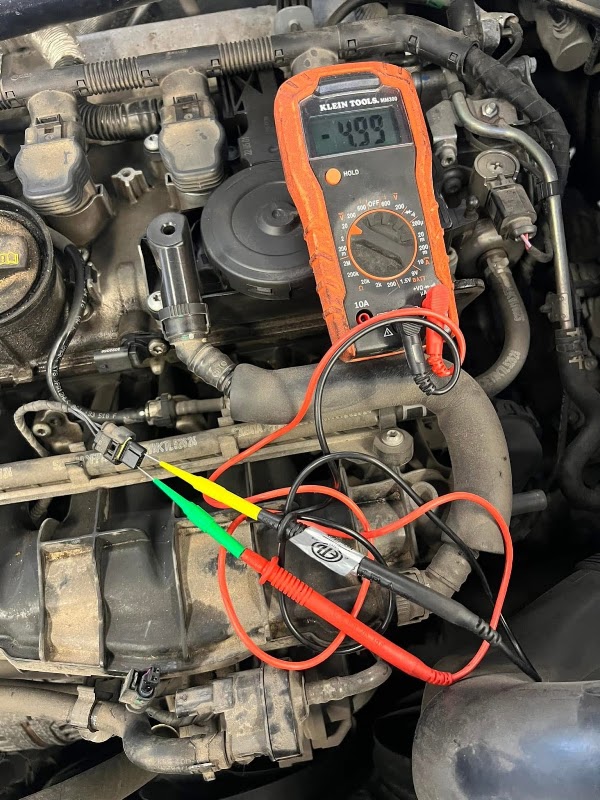
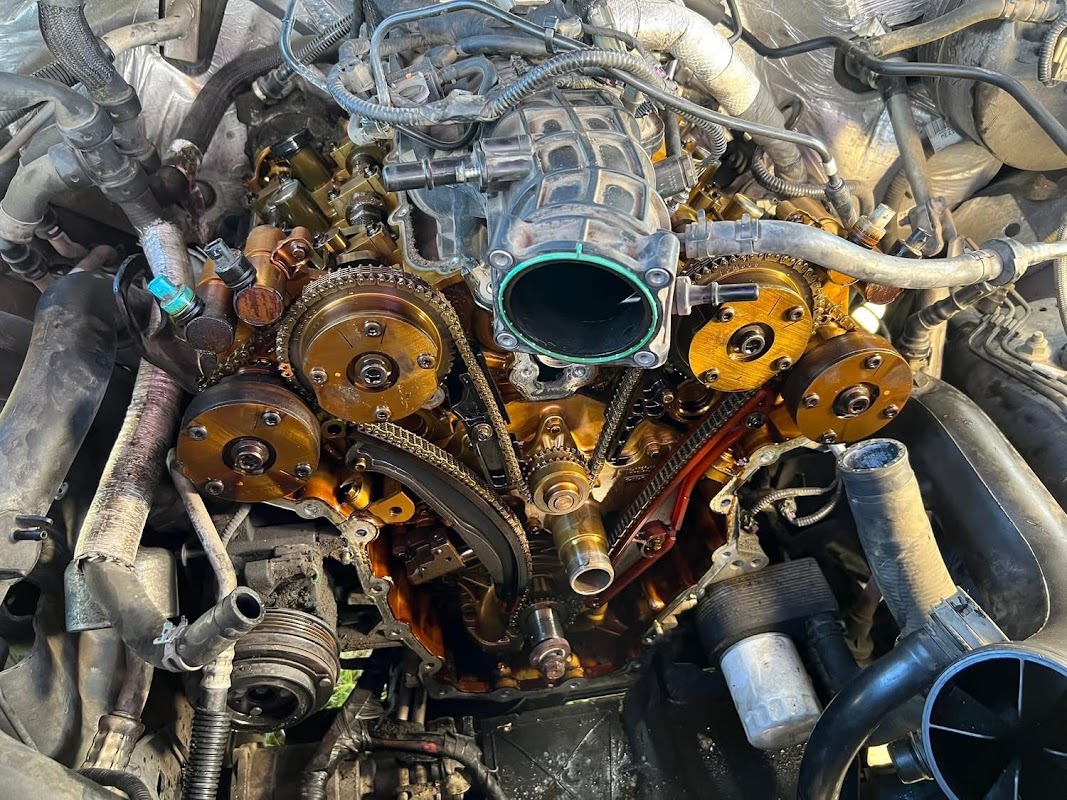
Suspension and steering problems tend to show up as looseness, wandering, or clunking over bumps. A loose steering feel at speed can mean worn tie rods or ball joints, parts that take a beating on Oklahoma roads full of potholes and rough patches. We check these the same way a shop would, just from a driveway or lot instead of a service bay. Heating and AC work covers everything from a system blowing warm air in July to one that won't push any heat once the weather turns. Electrical issues, from dead batteries to flickering lights to accessories that quit working, get diagnosed with the same attention, since a lot of those problems trace back to a single bad connection or a failing component.
In a city as spread out as Tulsa, we meet people wherever the car happens to be. That's usually a home driveway, an apartment lot, or a workplace parking lot. Cars don't break down on a schedule or in a convenient spot, so we built this business around going to the vehicle instead of asking you to find a way to bring it somewhere. If your car died on the side of the road somewhere in town, we can come to that spot too. You don't have to figure out a tow truck or a ride or any of the usual hassle that comes with a car that won't move. That's the whole point of a mobile mechanic.
This matters more in a spread out metro like Tulsa, where neighborhoods and suburbs stretch out in every direction. We also reach drivers in Sapulpa, Kiefer, Sand Springs, Jenks, Kellyville, Glenpool, and Lotsee, so the same approach applies whether you're near downtown or further out toward the edges of the area. Wherever the car sits when it quits on you, that's where we start the job. There's no need to coordinate a tow just to get a diagnosis or a simple repair done.
When you call or text, give us your location, your vehicle's year, make, and model, and a plain description of what's going on. Something like '2014 Silverado, grinding when I brake, parked at my house on the west side' tells us a lot in one sentence. That kind of detail helps us picture the problem before we even load the truck. A grinding brake noise, for instance, usually means the pads have worn down to metal and are chewing on the rotor, which changes what parts and tools we bring along.
The more detail you give up front, the better we can plan the visit and show up with the right tools and parts already on hand. Year, make, and model matter because brake hardware, sensors, and electrical components differ a lot between vehicles, even within the same brand. A description of the noise, smell, or warning light helps us start narrowing things down before we're standing next to the car. We'd rather ask a few questions on the front end than guess once we're already there, so don't worry about over explaining what the car's doing. More information just means less back and forth later.